New report links ageism to serious healthcare harms
A new AHRC report has found older Australians feel dismissed and stereotyped in healthcare, risking access to life-saving care.

Summary
A new report by the Australian Human Rights Commission into ageism in health settings has found that:
- Older Australians are being treated unfairly, often ignored, stereotyped or excluded from decisions about their own care.
- Ageism in the health system can seriously harm health, leading to worse outcomes, slower recovery and even earlier death.
- The Commission is calling for urgent reform, including better training, inclusive care models, and more research to tackle age bias.
Older Australians are feeling dismissed, excluded and stereotyped in healthcare settings, putting their access to life-saving care at risk, according to a new report by the Australian Human Rights Commission.
Titled The age barrier: older adults’ experiences of ageism in health care, the report draws on the lived experiences of older patients, their families and sector experts, supported by a comprehensive literature review. It found that perceptions of ageism are widespread across all levels of the health system – from how older people are treated by staff to broader systemic and policy issues.
‘This report holds a mirror up to our health system. It reflects the voices of older people who have too often felt unseen, unheard or undervalued,’ said Age Discrimination Commissioner Robert Fitzgerald AM.
‘People told us they felt rushed through the system, treated like a burden, a caricature, just another number. They described being dismissed by medical staff, spoken down to, excluded from decisions about their own care and having conversations directed to their family members instead of them.
‘Many said their concerns were ignored, their autonomy overlooked and assumptions made based solely on their age.
‘Ageism, or even the perception of it, has serious consequences. It is linked to poorer health outcomes, delayed recovery, reduced quality of life and even earlier death.’
Recommendations
The report recommends urgent action across three key areas:
- Collaboration within the health sector to review clinical guidelines, improve training, and co-design age-inclusive models of care with older adults
- Raising awareness and challenging bias through targeted education and ageism awareness training for health professionals
- Strengthening the evidence base by investing in research to measure the impact of ageism and its intersection with other forms of discrimination.
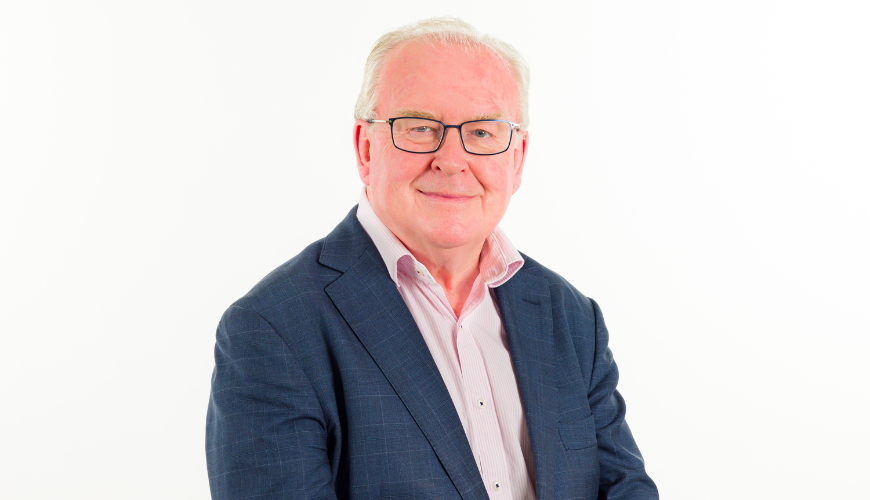
Ageism, or even the perception of it, has serious consequences. It is linked to poorer health outcomes, delayed recovery, reduced quality of life and even earlier death.
Solutions
To help address these issues, the Commission has launched a new project aimed at the health sector. Through targeted workshops with health workers and consumers, it aims to build awareness of age bias, and support more inclusive, person-centred care across government, non-government and community health settings.
‘We recognise the dedication of our health professionals and the pressures they face,’ Commissioner Fitzgerald said. ‘But as our population ages, demand on health services will only grow. This is an urgent moment for us to find out how care can be improved.
‘This report is not about blame. It is an invitation to doctors, nurses, allied health staff and their employers to work with us toward generational reform. To build a system where every person is treated with dignity, empathy and respect, not as a stereotype, but as a human being.’
Earlier this year, the Commission released a report on systemic racism in healthcare, highlighting how cultural stereotypes and dismissive treatment undermine care, particularly for First Peoples.
‘These reports show how discrimination compounds,’ Commissioner Fitzgerald said. ‘Older people are valued members of our society. They deserve to be heard, respected and cared for like anyone else.
‘Ageism is the enemy to positive and healthy ageing. Our report calls for reflection, conversation and action - toward a health system where age is never a barrier to being heard, respected and receiving quality care.’
Watch: Commissioner Fitzgerald breaks down the findings
Learn more
Read the report, The age barrier: older adults’ experiences of ageism in health care.
Learn more about the Commission’s new project, Breaking the Age Barrier, which aims to transform attitudes about age in health care through targeted workshops and training.
ENDS | Media contact: media@humanrights.gov.au or 0457 281 897 (calls only, no texts)
Media contact
Email: media@humanrights.gov.au or phone: 0457 281 897