For the common good: Climate justice begins with human rights
Climate change isn’t only about the planet. It’s about people — and the rights we’re bound to protect as the world heats up.

Opinion piece summary
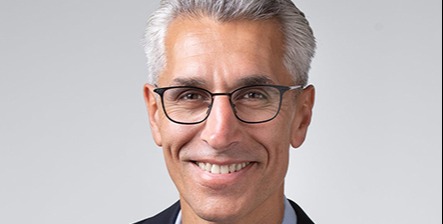
President Hugh de Kretser explains how we urgently need a human rights-based approach to tackling climate change.
- Author: President Hugh de Kretser
- Published in: The Mandarin
- Publish date: 07 November 2025
- More: Access the full article.
As the COP30 global climate change conference begins in Brazil, we need greater focus on the impact of climate change on people’s human rights. By looking at climate change as a human rights issue, we can spur faster and more effective action to protect people from harm.
The evidence on the threat to humans posed by climate change is clear. The planet is getting hotter. Seas are rising. Rainfall patterns are changing. In Australia, lives and livelihoods are already being lost to more frequent and severe disasters. The risk of bushfires, drought, floods and heatwaves is increasing. Billions are being lost in property damage and lost productivity. Extreme heat is already reported to cause more deaths in Australia than any other natural hazard.
We must see responses to climate change as a matter of protecting our human rights. People’s right to life, health, housing, food and water are not luxuries. They are legal obligations that Australia has committed to uphold under international law. In the face of climate change, these rights are increasingly under threat.
Things are projected to get much worse without concerted action. The Australian Government’s recent National Climate Risk Assessment details the extreme and escalating risks climate change poses to our lives, our health, our economy, our housing, our food systems and more.
Of course, the impacts of climate change will not be felt equally. Those who are already disadvantaged are more vulnerable. People living in poverty, older people, people with a disability, First Peoples, children and rural communities will be hit harder.
Australian governments and businesses must act with greater urgency to protect our human rights from climate change. Central to this is cutting fossil fuel pollution and speeding up the transition to renewable energy. The International Court of Justice, in its recent landmark decision, confirmed that nations have a legal duty to prevent significant harm to the climate system and could be liable for harm caused by continued fossil fuel production, consumption and subsidisation.
Australia’s rapid transition to renewables must be just and fair. Just as human rights require action to address climate change, they also provide a compass to help ensure we take the right action and avoid harm to people in the process. We must support those communities affected by the closure of mines and other fossil fuel projects. We must respect everyone’s rights to freedom of expression, peaceful protest and property. We must respect First Peoples’ land and cultural rights and ensure their informed consent for projects affecting them.
By looking at the human rights impacts of climate change, we can better plan, adapt and respond to more frequent disasters. People’s right to housing is not achieved if they are spending years living in caravans because of delayed insurance claims and rebuilding processes. Women’s right to safety is not upheld if they are forced to share an evacuation centre with their abusive partner. Children’s right to education is not achieved if their school is destroyed in a disaster and their schooling is disrupted for months or longer.
These issues are explored in the Australian Human Rights Commission’s new report, Human Rights on a Warming Earth. We wrote it to highlight the human impact of climate change and Australia’s obligations to protect people’s rights in our response. The report outlines recommendations for government and business to protect people’s rights and prevent harm. Central to these is urgently phasing out fossil fuels.
We also recommend that the Australian Government establish an Australian Human Rights Act. A Human Rights Act would protect in Australian law our rights to life, health, an adequate standard of living, to a healthy environment and more. It would help to guide governments to make the right decisions to respond to climate change. It would give people and communities power to ensure government is accountable for its human rights obligations.
Climate change can only be fully addressed through concerted global action. This is why Australia’s leadership is so vital to bring other nations with us. The pace at which we cut climate pollution from fossil fuels will determine how dangerous the future is. Australians already have the highest proportion of households with rooftop solar systems in the world. With abundant wind and sun, we have vast untapped potential to shift from being a major consumer and exporter of coal, oil and gas, to becoming a world leader in renewables.
The connection between climate change and people’s human rights is undeniable. By focusing on the human impact, we can focus on the action governments and businesses must take to protect current and future Australians. If we want to protect our quality of life, we must address climate change with greater urgency.
About President Hugh de Kretser
Hugh de Kretser
President

Media contact
Email: media@humanrights.gov.au or phone: 0457 281 897