Resilience through rights
The Commission’s Resilience Through Rights report explores how human rights can be better protected before, during and after disasters.
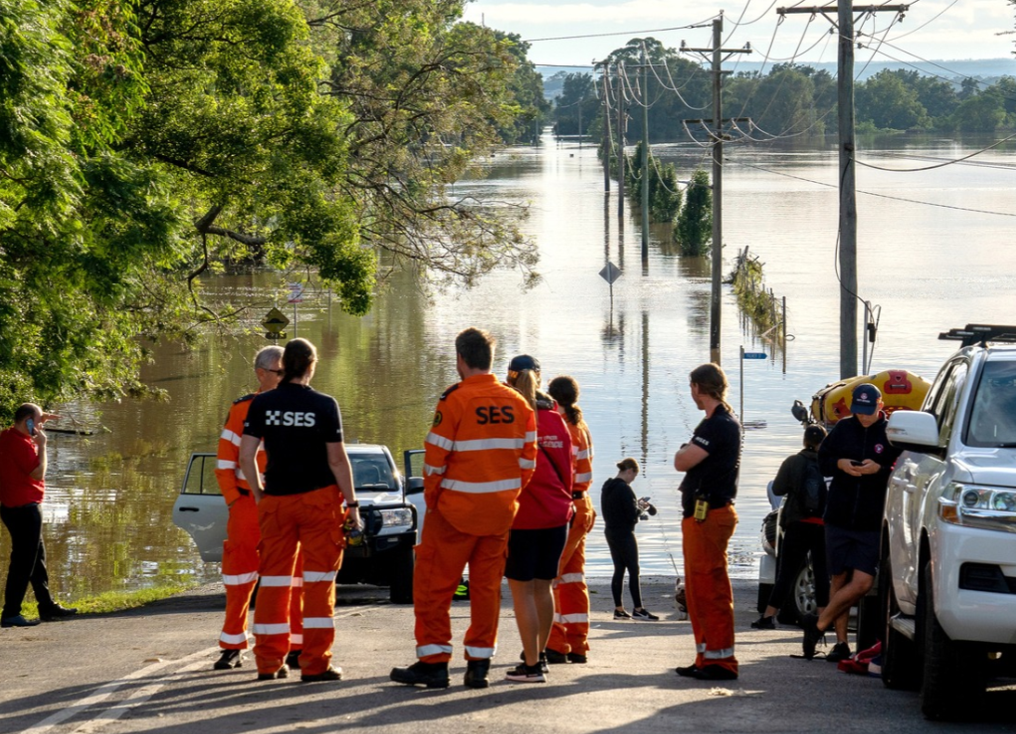
Summary
Disasters can affect almost every aspect of people's lives, from their health, safety and housing to their ability to access information, essential services and support.
The Australian Human Rights Commission's 'Human Rights in Emergency Management' Project examines how human rights can be better protected throughout emergencies and disasters. Phase 1 of the project examined Australia's response to the COVID-19 pandemic through the Collateral Damage report. The ‘Resilience Through Rights’ report - which is Phase 2 of this project - explores people's experiences of natural hazards and extreme weather events, including bushfires, floods, storms and cyclones.
The Phase 2 report draws on desktop research, a national survey and consultations with people and organisations across Australia to identify strengths, challenges and lessons from Australia's disaster experience. The work considers immediate emergency responses as well as preparedness and longer-term recovery.
Resilience through rights: Upholding human rights in disasters and emergencies
- PDF download 9.2 MB
Overview
Disasters are not experienced equally. A person's circumstances before a disaster, including their health, housing, location, age and access to services and support, can shape both the impacts they experience and their ability to recover.
The 'Resilience Through Rights' report looks at these impacts through a human rights lens. It examines how Australian disaster and emergency management frameworks and practices protect rights throughout prevention, preparedness, response and recovery. It considers where there may be gaps, challenges and opportunities for improvement.
The project sought a broad range of perspectives including people with lived experience of disasters, governments, emergency services, community organisations, academics, businesses and others involved in disaster response and recovery.
Recommendations
- Human rights must be part of every disaster decision - Rights should be embedded across prevention, preparedness, response and recovery.
- One-size does not fit all - Planning must recognise existing inequalities and respond to diverse needs.
- Emergency measures must always be proportionate - Restrictions on rights should be necessary, justified, time-limited and accountable.
- Balance rapid response with compassion and long-term consequences - Urgent decisions should protect people’s safety while respecting their dignity and considering lasting impacts on their lives and recovery.
- Clear communication saves lives and supports recovery - Warnings and information must be timely, trusted and accessible to everyone.
- Communities are the most resilient when they lead and are well connected - Lived experience and local knowledge should inform decisions throughout the disaster cycle.
- Disaster management must look beyond the immediate crisis - Support should recognise the lasting impacts of disasters on housing, health, livelihoods and communities.
The report is anchored by 7 guiding principles:
From experience to action
The findings from the 'Collateral Damage' and the 'Resilience Through Rights' reports informed the final phase of the project, the 'How to Protect Human Rights in Disasters Framework'. This Framework is a practical resource designed to help decision-makers keep human rights front of mind throughout prevention, preparedness, response and recovery.
Download the report
Download the report
This report draws on a national survey of more than 2,000 adults as well as extensive consultations with disaster-affected communities, emergency management agencies, community organisations, governments and experts.
