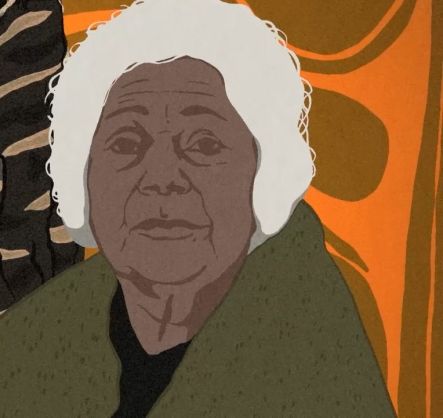
Reconciliation Action Plan 2012
Read the Commission's 2012 Reconciliation Action Plan outlining our commitment to advancing the rights and wellbeing of Aboriginal and Torres Strait Islander

Summary
Reconciliation is important to the Australian Human Rights Commission. First it enables us to build the cultural diversity of our organisation so we are better placed to empower Aboriginal and Torres Strait Islander peoples to understand and exercise their human rights; secondly as it is appropriate for us to model the importance of understanding and respect for the rights of Aboriginal and Torres Strait Islander peoples.
Download in Word Download in PDF
Aboriginal and Torres Strait Islander Peoples Engagement Toolkit 2012
Download in Word Download in PDF
Our Vision for Reconciliation
Reconciliation is important to the Australian Human Rights Commission (the Commission):
- first it enables us to build the cultural diversity of our organisation so we are better placed to empower Aboriginal and Torres Strait Islander peoples to understand and exercise their human rights;
- secondly as it is appropriate for us to model the importance of understanding and respect for the rights of Aboriginal and Torres Strait Islander peoples.
Our Business
The Commission is Australia's national human rights institution. It is an independent statutory body established under the Australian Human Rights Commission Act 1986 (Cth). The Commission's main responsibilities are:
- Public awareness and education about human rights;
- Receiving unlawful discrimination and human rights complaints;
- Monitoring and reporting on human rights compliance; and
- Policy and legislative development to protect and promote human rights.
These responsibilities are carried out by the President, Commissioners and staff of the Commission. There is approximately 100 staff of the Commission.
The Commission's Aboriginal and Torres Strait Islander Social Justice Commissioner also has particular responsibilities to protect and promote the rights of Aboriginal and Torres Strait Islander peoples, including through annual Social Justice and Native Title Reports.
The Commission's activities to promote the human rights of Aboriginal and Torres Strait Islander peoples include:
- Advocating for the recognition of Aboriginal and Torres Strait Islander peoples in the Australian Constitution;
- Partnering with the National Congress of Australia's First Peoples and Reconciliation Australia to promote improved relationships and reconciliation between Aboriginal and Torres Strait Islander peoples and the wider Australian community;
- Partnering with Australia's leading Aboriginal and Torres Strait Islander and non-Indigenous health and human rights organisations as part of the Close the Gap Steering Committee for Indigenous Health Equality;
- Supporting the engagement of Aboriginal and Torres Strait Islander peoples and organisations at international fora with a specific focus on the rights of indigenous peoples through the Indigenous Peoples' Organisations Network.
- Advocating for the full implementation of both the spirit and intent of the United Nations Declaration on the Rights of Indigenous Peoples in Australia.
Our RAP
As a human rights body with responsibility for protecting and promoting the human rights of Aboriginal and Torres Strait Islander peoples, much of the Commission's work already promotes reconciliation. That work is not reproduced in the RAP. Rather, the RAP identifies:
- Specific reconciliation initiatives that the Commission has developed as part of its RAP; and
- How the Commission will perform its core work in a way that promotes reconciliation.
To assist in monitoring, developing and implementing the RAP, the Commission has established a RAP Committee. The Committee is made up of senior staff representing all parts of the Commission and includes Aboriginal staff.
The RAP Committee meets quarterly to review RAP actions which are championed by the Aboriginal and Torres Strait Islander Social Justice Commissioner.
Our RAP includes specific measurable targets and seeks to establish a process for identifying future targets for RAP actions. All actions are subject to the progress and reporting framework in part 4.
Aboriginal and Torres Strait Islander Peoples Engagement Toolkit 2012
A key activity under the Commission's Reconciliation Action Plan is the development of an Aboriginal and Torres Strait Islander Peoples Engagement Toolkit.
The Commission developed an internal toolkit in 2011 and has been using the toolkit to assist staff in engaging with Aboriginal and Torres Strait Islander Peoples and communities. The toolkit was updated in 2012.
Download in Word Download in PDF
| Relationships | Relationships with Aboriginal and Torres Strait Islander peoples are important to Commission as they enable us to build our understanding of the issues facing Aboriginal and Torres Strait Islander peoples in Australia today, which empowers us to be a leader in the promotion and protection of the human rights of Aboriginal and Torres Strait Islander peoples. | ||
| Focus area: Respecting Diversity | |||
| Action | Responsibility | Timeline | Measurable Target |
| Use and develop the Commission's Indigenous Engagement Toolkit to enable and encourage Commission staff and others to establish and build relationships with Aboriginal and Torres Strait Islander peoples in a respectful and culturally appropriate manner. | Public Affairs Social Justice Unit | Launch June 2011 | Indigenous Engagement Toolkit is used by Commission staff and feedback received annually.External feedback sought and received annually.Toolkit updated annually by RAP committee.Toolkit available on Commission website. |
| Provide a complaint handling service to Aboriginal and Torres Strait Islander peoples that allows and encourages them to seek protection of their rights by:Providing culturally appropriate conciliation services;travelling to regional and remote areas where appropriate;Providing culturally appropriate information about the Commission's complaint-handling and conciliation services to complainants and Aboriginal and Torres Strait Islander advocacy groups and legal services; andmaintaining a webpage providing information relevant to Aboriginal and Torres Strait Islander communities about the Commission's services. | All Commission | September 2011 Reported Annually September 2011 Update Webpage Bi-monthly | Level of customer satisfaction in surveys from Aboriginal and Torres Strait Islander participants.Number of conciliations conducted.Number of remote and regional communities in which conciliation services delivered.Number of complaints received by Aboriginal and Torres Strait Islander people about inappropriateness of complaint handling and conciliation services delivered.Monitor through meetings between CHS, SJU/RDU and Aboriginal and Torres Strait Islander and Social Justice Commissioner (bi-monthly)Number of staff/clients accessing webpage.Feedback from Clients on relevance of information. |
| Ensure, where appropriate, maximum participation of Aboriginal and Torres Strait Islander people in all Commission projects. | All Commission | September 2011 | No of commission projects where Aboriginal and Torres Strait Islander people are invited to participate.Indigenous Engagement Toolkit used in all Commission project planning. |
| Ensure, where appropriate, that speeches, publications and submissions include:information about issues relevant to Aboriginal and Torres Strait Islander people; andinformation about Aboriginal and Torres Strait Islander peoples. | All Commission | September 2011 Reported Bi-monthly | At least four public speeches from the Commission each year include issues of specific relevance to Aboriginal and Torres Strait islander peoples |
| Celebrate and commemorate Aboriginal and Torres Strait Islander events by:inviting Aboriginal and Torres Strait Islander speakers to talk to Commission staff;publishing materials and including information in Commission publications;participating in Aboriginal and Torres Strait Islander community events; andholding events which promote the human rights of Aboriginal and Torres Strait Islander peoples. | All Commission Social Justice Unit | Ongoing Reported Bi-monthly | The Commission will host and participate in four national Aboriginal and Torres Strait Islander celebration activities each year.Information on Aboriginal and Torres Strait Islander issues will be published in reports to Commission on a monthly basis.At a minimum two Aboriginal or Torres Strait Islander guest speakers will be invited to address the Commission each year.The Commission will host two events each year to promote Aboriginal and Torres Strait Islander human rights. |
- Indigenous Engagement Toolkit is used by Commission staff and feedback received annually.
- External feedback sought and received annually.
- Toolkit updated annually by RAP committee.
- Toolkit available on Commission website.
- Providing culturally appropriate conciliation services;
- travelling to regional and remote areas where appropriate;
- Providing culturally appropriate information about the Commission's complaint-handling and conciliation services to complainants and Aboriginal and Torres Strait Islander advocacy groups and legal services; and
- maintaining a webpage providing information relevant to Aboriginal and Torres Strait Islander communities about the Commission's services.
- Level of customer satisfaction in surveys from Aboriginal and Torres Strait Islander participants.
- Number of conciliations conducted.
- Number of remote and regional communities in which conciliation services delivered.
- Number of complaints received by Aboriginal and Torres Strait Islander people about inappropriateness of complaint handling and conciliation services delivered.
- Monitor through meetings between CHS, SJU/RDU and Aboriginal and Torres Strait Islander and Social Justice Commissioner (bi-monthly)Number of staff/clients accessing webpage.
- Feedback from Clients on relevance of information.
- No of commission projects where Aboriginal and Torres Strait Islander people are invited to participate.
- Indigenous Engagement Toolkit used in all Commission project planning.
- information about issues relevant to Aboriginal and Torres Strait Islander people; and
- information about Aboriginal and Torres Strait Islander peoples.
- At least four public speeches from the Commission each year include issues of specific relevance to Aboriginal and Torres Strait islander peoples
- inviting Aboriginal and Torres Strait Islander speakers to talk to Commission staff;
- publishing materials and including information in Commission publications;
- participating in Aboriginal and Torres Strait Islander community events; and
- holding events which promote the human rights of Aboriginal and Torres Strait Islander peoples.
- The Commission will host and participate in four national Aboriginal and Torres Strait Islander celebration activities each year.
- Information on Aboriginal and Torres Strait Islander issues will be published in reports to Commission on a monthly basis.
- At a minimum two Aboriginal or Torres Strait Islander guest speakers will be invited to address the Commission each year.
- The Commission will host two events each year to promote Aboriginal and Torres Strait Islander human rights.
| Respect | Respect for Aboriginal and Torres Strait Islander peoples, their culture and history is important to the Commission as it enables us to cultivate cultural awareness and recognition and develop better working relationships. | ||
| Focus area: Cultural Awareness | |||
| Action | Responsibility | Timeline | Measurable Target |
| Implement a program of cultural awareness for all staff. | Personnel | September 2011 | Cultural awareness component included in staff induction, with all staff invited to attend.Program of cultural awareness developed and implemented for all staff.Number of Commission staff who have undertaken cultural awareness training. |
| Develop and promote cultural awareness in all staff by supporting attendance and participation in community activities and events relating to Aboriginal and Torres Strait Islander peoples. | All Commission | June 2011 | Staff encouraged and supported to attend Aboriginal and Torres Strait Islander community activities and events. |
| Respect and uphold Aboriginal and Torres Strait Islander cultural and intellectual property rights in all artworks and cultural products purchased, displayed or published by the Commission. | All Commission | September 2011 | Aboriginal and Torres Strait Islander cultural and intellectual property standards developed.Number of Aboriginal and Torres Strait Islander artworks displayed in Commission that are compliance with IP standards in Indigenous Engagement Toolkit. |
| Respect and uphold Aboriginal and Torres Strait Islander cultures through recognising traditional languages and ceremony. | All Commission Social Justice Unit | July 2011 | Naming of meeting and conference rooms to recognise Aboriginal and Torres Strait Islander warriors.Traditional ceremony to open new office accommodation.Display signage, flag and artwork in reception and throughout Commission office space. |
- Cultural awareness component included in staff induction, with all staff invited to attend.
- Program of cultural awareness developed and implemented for all staff.
- Number of Commission staff who have undertaken cultural awareness training.
- Staff encouraged and supported to attend Aboriginal and Torres Strait Islander community activities and events.
- Aboriginal and Torres Strait Islander cultural and intellectual property standards developed.
- Number of Aboriginal and Torres Strait Islander artworks displayed in Commission that are compliance with IP standards in Indigenous Engagement Toolkit.
- Naming of meeting and conference rooms to recognise Aboriginal and Torres Strait Islander warriors.
- Traditional ceremony to open new office accommodation.
- Display signage, flag and artwork in reception and throughout Commission office space.
| Opportunities | Providing employment opportunities for Aboriginal and Torres Strait Islander peoples is important to the Commission as it enables us to contribute to closing the gap on Aboriginal and Torres Strait Islander disadvantage and builds the cultural diversity of the Commission. | ||
| Focus area: Employment | |||
| Action | Responsibility | Timeline | Measurable Target |
| Maintain current Aboriginal and Torres Strait Islander staffing levels of 4%, noting that the COAG guidelines say 2.7% by 2015. | Personnel All Managers | September 2011 | Number of Aboriginal and Torres Strait Islander staff within the Commission maintained in 2011. |
| Provide opportunities for Aboriginal and Torres Strait Islander students and trainees across the Commission, including through traineeships, cadetships, internships and work experience placements. | All Managers | September 2011 | At least one Aboriginal and Torres Strait Islander traineeship, cadetship, internship and work experience placement offered to Aboriginal and Torres Strait Islander peoples each year. |
| Advertise identified staff vacancies in Aboriginal and Torres Strait Islander media. | Personnel | September 2011 | All identified positions advertised in Aboriginal and Torres Strait Islander media reported to the Commission bi-monthly. |
| Encourage Aboriginal and Torres Strait Islander service providers, including designers, illustrators and caterers to tender for projects (such as tenders to be decided consistently with Commonwealth Procurement Guidelines). | All staff involved in the procurement of services | September 2011 | Number of different Aboriginal and Torres Strait Islander service providers tendering for Commission projects.Indigenous Engagement Toolkit used and updated to include new Aboriginal and Torres Strait Islander service providers. |
- Number of Aboriginal and Torres Strait Islander staff within the Commission maintained in 2011.
- At least one Aboriginal and Torres Strait Islander traineeship, cadetship, internship and work experience placement offered to Aboriginal and Torres Strait Islander peoples each year.
- All identified positions advertised in Aboriginal and Torres Strait Islander media reported to the Commission bi-monthly.
- Number of different Aboriginal and Torres Strait Islander service providers tendering for Commission projects.
- Indigenous Engagement Toolkit used and updated to include new Aboriginal and Torres Strait Islander service providers.
| Tracking Progress and Reporting | |||
| Action | Responsibility | Timeline | Measurable Target |
| The Commission RAP Committee will:Meet every 3 months;Assist Managers and staff with the implementation of the RAP;Monitor implementation of the RAP against performance indicators;Review the effectiveness of RAP actions undertaken with a view to improvement;Seek and implement staff feedback on the RAP;Provide a report to the Commission at every meeting on the implementation of the RAP;Prepare a report for the Commission Annual Report on the implementation of the RAP; andConsider how the RAP can be developed and make suggestions to the Commission for the improvement of the RAP. | RAP Committee | Commencing November 2010 Meet 4 times annually | RAP Committee meets 4 times per year.Number of RAP Actions implemented. Improvements made to the RAP.Reports completed. |
| The Manager of each unit in the Commission will:Ensure that their staff are aware of their obligations under the RAP;Include compliance with the RAP in performance agreements and assess staff performance against RAP;Ensure that the RAP actions are met as far as possible in the performance of the work of their section;Consider the RAP in project planning and design; andReport on RAP actions undertaken by the section to the RAP Committee and in bi-monthly reports to the Commission meeting. | All Managers | Commencing November 2010 Report to Commission every 2months | RAP actions reported upon to Commission in bi-monthly reports. |
| Provide current and future RAPs and annual implementation reports to Reconciliation Australia for advice and publication on their website. | RAP Committee | Annually from September 2010 | RAP provided to Reconciliation AustraliaAnnual RAP implementation report provided to Reconciliation Australia.Future RAPs provided to Reconciliation Australia.RAP and reports published on RA website |
- Meet every 3 months;
- Assist Managers and staff with the implementation of the RAP;
- Monitor implementation of the RAP against performance indicators;
- Review the effectiveness of RAP actions undertaken with a view to improvement;
- Seek and implement staff feedback on the RAP;
- Provide a report to the Commission at every meeting on the implementation of the RAP;
- Prepare a report for the Commission Annual Report on the implementation of the RAP; and
- Consider how the RAP can be developed and make suggestions to the Commission for the improvement of the RAP.
- RAP Committee meets 4 times per year.
- Number of RAP Actions implemented. Improvements made to the RAP.
- Reports completed.
- Ensure that their staff are aware of their obligations under the RAP;
- Include compliance with the RAP in performance agreements and assess staff performance against RAP;
- Ensure that the RAP actions are met as far as possible in the performance of the work of their section;
- Consider the RAP in project planning and design; and
- RAP actions reported upon to Commission in bi-monthly reports.
- RAP provided to Reconciliation Australia
- Annual RAP implementation report provided to Reconciliation Australia.
- Future RAPs provided to Reconciliation Australia.
- RAP and reports published on RA website