
Aboriginal and Torres Strait Islander Social Justice
All of us can play a part in making sure that every Australian – Indigenous and non-Indigenous – has the opportunities and choices they need to lead full and healthy lives.



Meet the Commissioner
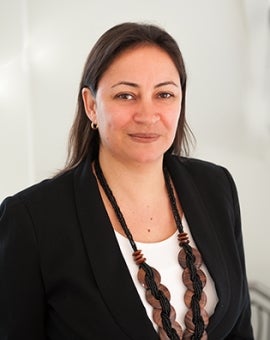
Katie Kiss
Katie Kiss commenced as Aboriginal and Torres Strait Islander Social Justice Commissioner on 3 April 2024.
Commissioner Kiss is a proud Kaanju and Birri/Widi woman who grew up in Rockhampton, Central Queensland on the lands of the Darumbal People.
She was previously the Executive Director of the Interim Truth and Treaty Body supporting Queensland’s Path to Treaty, and held senior positions in the Queensland Government, including Chief of Staff to the Minister for Seniors, Disability Services and Aboriginal and Torres Strait Islander Partnerships, and Senior Advisor to the Deputy Premier.
Commissioner Kiss also worked for eight years at the Australian Human Rights Commission, where she was the Director of the Aboriginal and Torres Strait Islander Social Justice Team.
Latest News
 Aboriginal and Torres Strait Islander Social Justice
Coalition of Peaks Assembly on Closing the Gap
Day 2- National Anti-Racism Framework and any other work she is doing that aligns with Priority Reform 3 of the Closing the Gap Agreement Wednesday 2 April 2025 - QT Hotel Canberra
 Aboriginal and Torres Strait Islander Social Justice
Coalition of Peaks Assembly on Closing the Gap
Day 2- National Anti-Racism Framework and any other work she is doing that aligns with Priority Reform 3 of the Closing the Gap Agreement Wednesday 2 April 2025 - QT Hotel Canberra
Aboriginal and Torres Strait Islander Social Justice
Diversity Council Australia Panel Webinar
Discover insights from the Diversity Council Australia panel webinar focusing on fostering diversity, equity, and inclusion across workplaces and communities.
Top Projects
 Aboriginal and Torres Strait Islander Social Justice
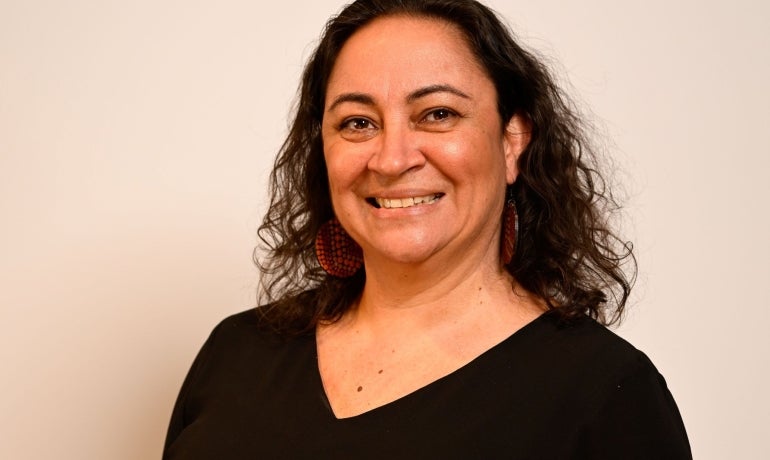
Informing The Agenda Consultations
Katie Kiss commenced in the role as the Aboriginal and Torres Strait Islander Social Justice Commissioner on 3 April 2024. To ensure the voices of First Nations people across Australia help form the agenda for the term, the Commissioner is conducting a national listening tour to hear from First...
Aboriginal and Torres Strait Islander Social Justice
Wiyi Yani U Thangani (Women's Voices)
Aboriginal and Torres Strait Islander Social Justice