Cyberbullying
Cyberbullying: Understand it, get help. Learn about online harassment, prevention, and how to get support.
Summary
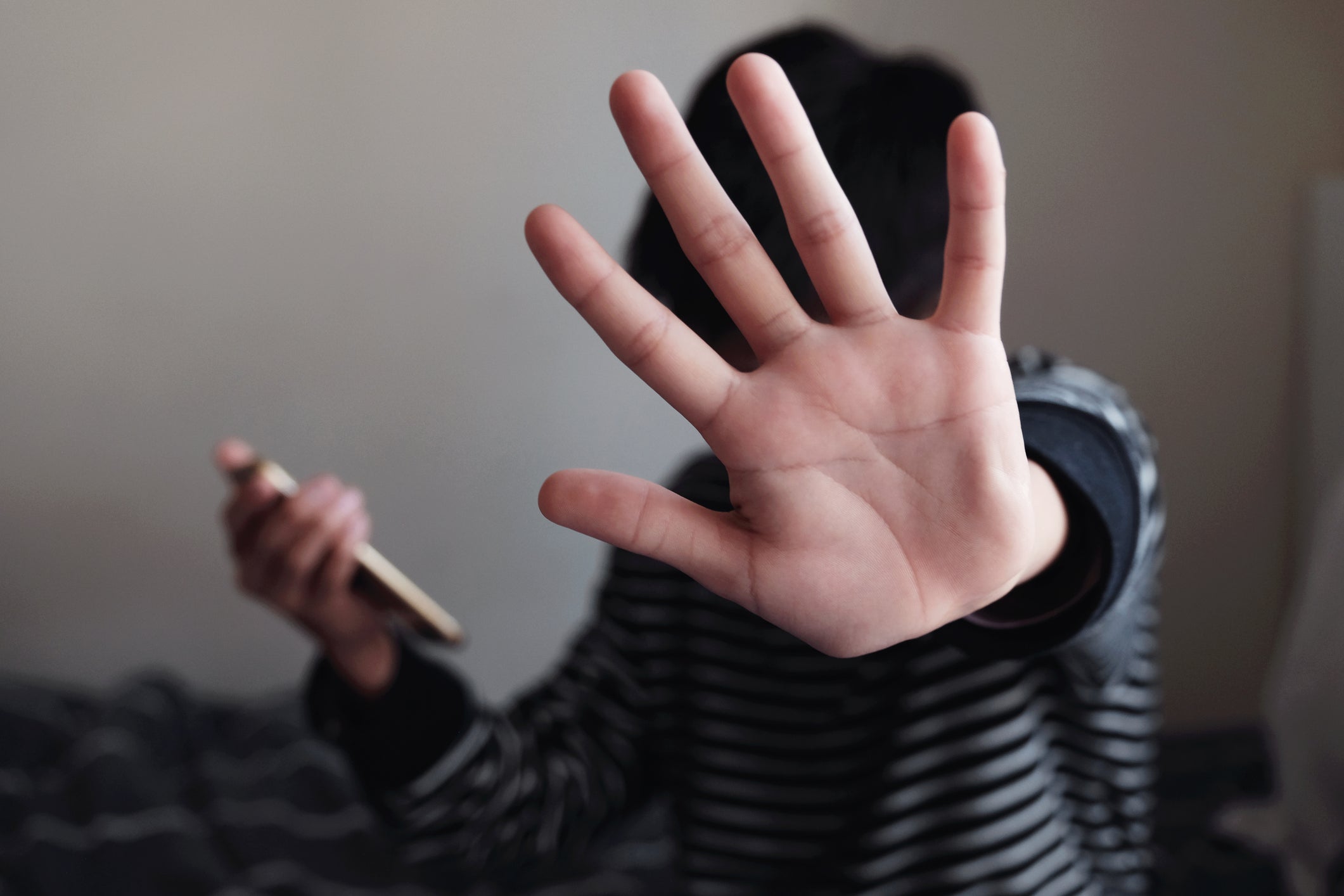
If you are being bullied and need support, it is important that you read this factsheet and go to the Get Help section. If you know or see someone being bullied go to the Supportive Bystander FactSheet to find out how to help them. Cyberbullying is bullying that is done through the use of technology. For example, using the Internet, a mobile phone or a camera to hurt or embarrass someone is considered cyberbullying. It can be shared widely with a lot of people quickly, which is why it is so dangerous and hurtful.
Cyberbullying is bullying that is done through the use of technology. For example, using the Internet, a mobile phone or a camera to hurt or embarrass someone is considered cyberbullying.
If you are being bullied and need support, go to our Get Help section.
If you know or see someone being bullied, read about being a supportive bystander to find out how to help them.
What does cyberbullying look like?
A cyberbully can be someone you know, or a stranger. They might send mean or hurtful text messages through social networking sites like Facebook and Twitter, or through sites where people can ask / answer questions.
Cyberbullying can also involve people:
- sending photos and videos of you to others to try and embarrass or hurt you.
- spreading rumours about you via emails or social networking sites or text messages.
- trying to stop you from communicating with others.
- setting up fake profiles pretending to be you, or posting messages or status updates from your accounts.
How you can be safe from bullies online?
- Do not share private information like passwords, name and address, phone numbers with people you don't know. This can also include sharing of photos of yourself, your friends and your family.
- Do not respond to messages when you are angry or hurt. Log out and stop messaging if you feel you are being harassed.
- You can block, delete and report anyone who is harassing you online and on your mobile.
- Find out how to report bullying and harassment on each of the different social networks that you use.
- Keep a record of calls, messages, posts and emails that may be hurtful or harmful to you.
- Set up the privacy options on your social networking sites like Facebook in a way you are comfortable with.
Get help
Further resources
- Think U Know conducts internet safety programs and provides advice for teachers, parents and carers.
- Bullying No Way provides support and information for school communities.
- Recognise Workplace Bullying, its impact and what you can do.
- Explore advice and resources on the Australian Human Rights Commission's Violence, Harassment and Bullying webpage.
- Be informed about Human Rights, their origins and the international human rights system.
This Violence, Harassment and Bullying fact sheet was developed in partnership with ReachOut.com, 2011