40 stories for 40 Years | First Peoples rights
Over the last 40 years, we've helped deliver significant advances in relation to the rights of First Peoples in Australia.

Summary
Explore 4 highlights of the Commission's work over the last 40 years in relation to advancing and protecting the rights of Aboriginal and Torres Strait Islander peoples.
Advocating for the rights of Aboriginal and Torres Strait Islander peoples has been a central part of the Commission’s work most prominently since 1993 with the creation of the Aboriginal and Torres Strait Islander Social Justice Commissioner, following major developments such as the Mabo decision and the introduction of the Native Title Act 1993. The Commission was given a specific mandate to monitor and report on the human rights of First Nations peoples and the operation of native title laws.
Since then, Aboriginal and Torres Strait Islander rights have remained one of the Commission’s most important areas of work, involving ongoing social justice and native title reporting, inquiries, advocacy, and engagement with First Nations communities. To inform this work, the Commission has examined the impact of government laws and policies on First Nations peoples, reported on issues such as self-determination, land and cultural rights, health, justice and equality, investigated complaints of racial discrimination, and made numerous submissions and recommendations to governments and Parliament aimed at advancing the human rights of Aboriginal and Torres Strait Islander peoples.
The Commission is proud to have been involved in helping deliver many legal and policy reforms over the decades which have benefitted Aboriginal and Torres Strait Islander peoples, and we acknowledge, honour and celebrate the vital work of Australia's First Peoples advocates and allies over this time.
Our 40 stories for 40 Years initiative is part of our 40 Years program.
Here are 4 key ways the Commission has helped improve the lives of Aboriginal and Torres Strait Islander peoples:
Exposing the truth of the Stolen Generations
In 1997, the Commission released what is arguably the most impactful and memorable report in our 40-year history: Bringing Them Home: Report of the National Inquiry into the Separation of Aboriginal and Torres Strait Islander Children from Their Families. In heartbreaking detail, the report documented the shocking, painful and infuriating stories of the people and families of the Stolen Generations, as well as the laws, policies and practices that led to the forced removal of children.
Read the story and watch the video (see below). The video features former AHRC Aboriginal and Torres Strait islander Social Justice Commissioner Mick Dodson, CEO of the Healing Foundation Shannon Dodson, and Stolen Generations survivor Aunty Bronwyn Smith as they reflect on the impact of the Bringing Them Home report, one of the most important human rights reports in Australia's history which continues to guide efforts to address past wrongs as well as protect the rights of First Peoples children and families into the future.
Closing the Gap on First Peoples health inequality
In 2005, our then Aboriginal and Torres Strait Islander Social Justice Commissioner Tom Calma released a report which examined the extent of health inequality in Australia for First Peoples and which set out a human rights-based framework for achieving health equality within a generation. It became the catalyst for the Close the Gap initiative which continues to this day and which has become fundamental to improving health, education, and social outcomes for Aboriginal and Torres Strait Islander people. Read the story below.

Advancing the native title interests of First Peoples
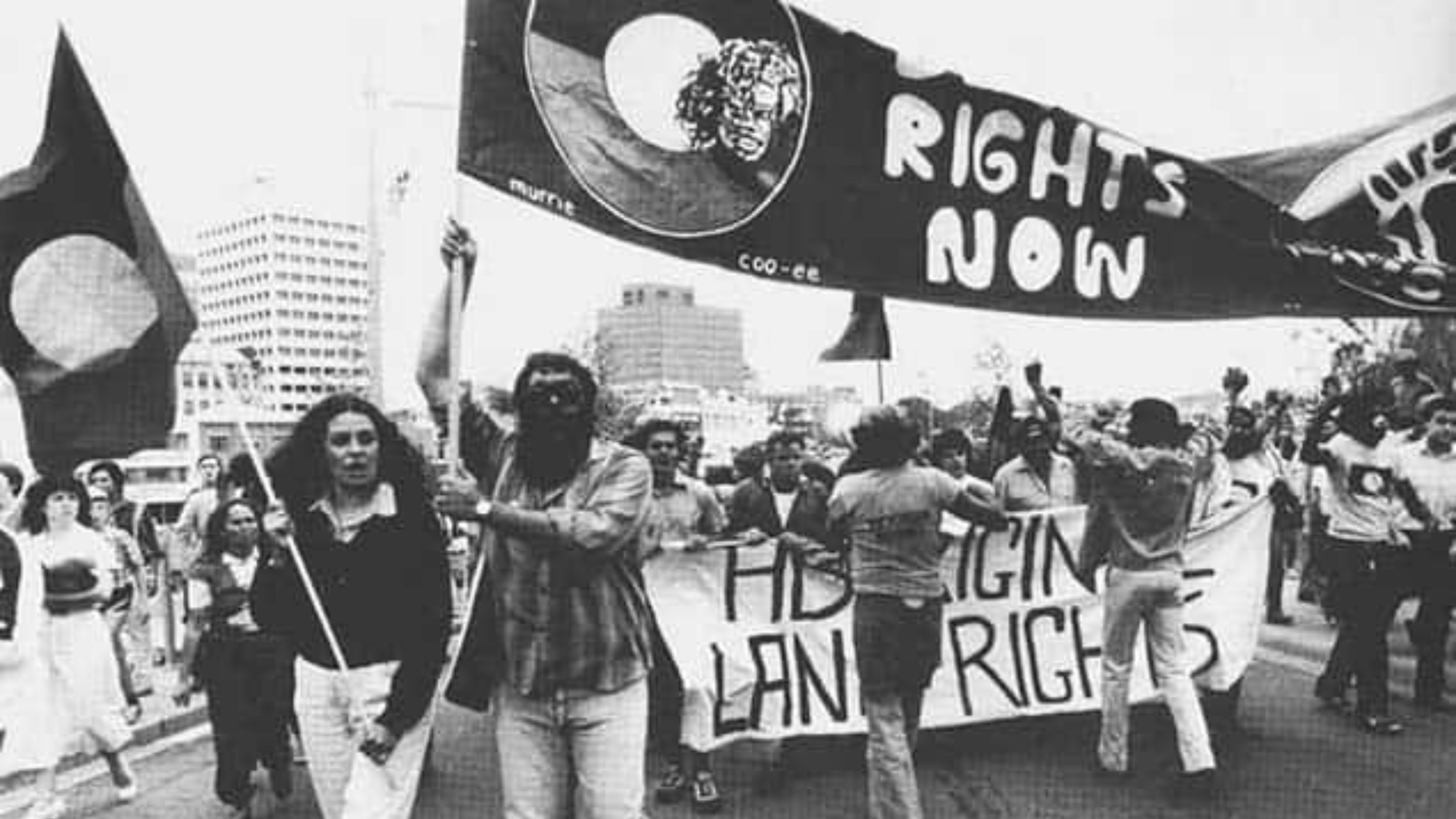
Since the landmark Mabo decision of the High Court in the early 1990s, the Commission has produced regular native title reports. These reports have been influential in keeping native title connected to larger questions of justice, equality, and First Peoples rights in Australia, as well as protecting the integrity of the High Court’s historic recognition that Australia’s First Peoples had rights and their own systems of governance before colonisation and that these systems and rights continue to exist to the present and into the future. Read the story below.
Investigating First Peoples deaths in custody
In 1996, our then Aboriginal and Torres Strait Islander Social Justice Commissioner Mick Dodson released a report into First Peoples deaths in custody which played a vital role in keeping authorities responsible for addressing the systemic issues uncovered by the earlier royal commission into indigenous custodial deaths. By documenting deaths and examining government responses, it kept pressure on governments to improve custodial practices and strengthen accountability measures. Read the story below.