Explore 4 highlights of the Commission's work over the last 40 years in relation to advancing and protecting the civil and political rights of people in Australia.
Civil and political rights are fundamental to a fair and democratic society. Across the last 40 years, the Commission has worked to ensure these rights are protected not only in principle, but in practice, particularly when they are most at risk. Whether challenging harmful prison conditions, or examining the human rights impacts of national emergencies, we have championed approaches that place people, dignity and accountability at the centre of decision-making. Through research and advocacy, the Commission has helped drive important change while encouraging governments and institutions to meet their human rights obligations.
We are proud of the role we have played in these efforts and recognise the many individuals, communities and organisations whose advocacy and leadership have contributed to progress. Together, these stories reflect the ongoing importance of protecting rights and freedoms for all people in Australia.
Here are 4 key ways the Commission has helped improve civil and political rights in Australia:
Dignity behind bars: challenging the use of spit hoods
In 2023, the Australian Human Rights Commission made a detailed submission to the Australian Federal Police (AFP) internal review into the use of spit hoods, focusing on whether their use is consistent with Australia’s human rights obligations.
Read the story below.
All people in detention should be safe from harm and treated with dignity, and human rights should be at the centre of all custodial and policing decisions.
The use of spit hoods in prison settings in Australia has been condemned widely by many human rights groups because of the risk of harm to the prisoner. A spit hood is a mesh head covering with a cellophane interior near the wearer’s mouth that blocks spit and can make breathing more difficult.
In 2023, the Australian Human Rights Commission made a detailed submission to the Australian Federal Police (AFP) internal review into the use of spit hoods, focusing on whether their use is consistent with Australia’s human rights obligations.
Our submission raised significant concerns about the risks associated with spit hoods, particularly when used on people in distress. It highlighted evidence that their use can contribute to breathing restriction, escalate panic or trauma and increase the risk of asphyxiation (especially when combined with restraints or when used on individuals experiencing mental health crises or intoxication). The submission also noted that these risks are heightened for Aboriginal and Torres Strait Islander people and other groups already overrepresented in custodial settings.
We emphasised that the use of spit hoods affects core rights protected under international law, including the right to humane treatment in detention and the prohibition on cruel, inhuman or degrading treatment. We argued that any use of spit hoods must meet strict tests of necessity and proportionality, and that current practices raise serious questions about whether those thresholds are consistently met. The submission also recognised the need to protect the health and safety of police officers, and highlighted evidence that these risks could be addressed by a range of alternative mitigation strategies.
To address these concerns, our submission recommended stronger safeguards, including limiting use to exceptional circumstances, improving data collection and reporting, enhancing training, and strengthening independent oversight. It also encouraged greater use of less restrictive alternatives, particularly de-escalation approaches that reduce the need for physical restraints.
Following an internal review, the Australian Federal Police (AFP) announced in 2023 that the AFP and ACT Police would no longer use spit hoods. The review found the risk of using spit hoods ‘outweighed the benefits of their use’. The Commission’s work in this area highlights the importance of our role in scrutinising the use of force and custodial practices. Even in operational policing contexts, human rights standards must guide decision-making - ensuring that safety is balanced with dignity, accountability and the protection of vulnerable people.
Balancing human rights during national emergencies
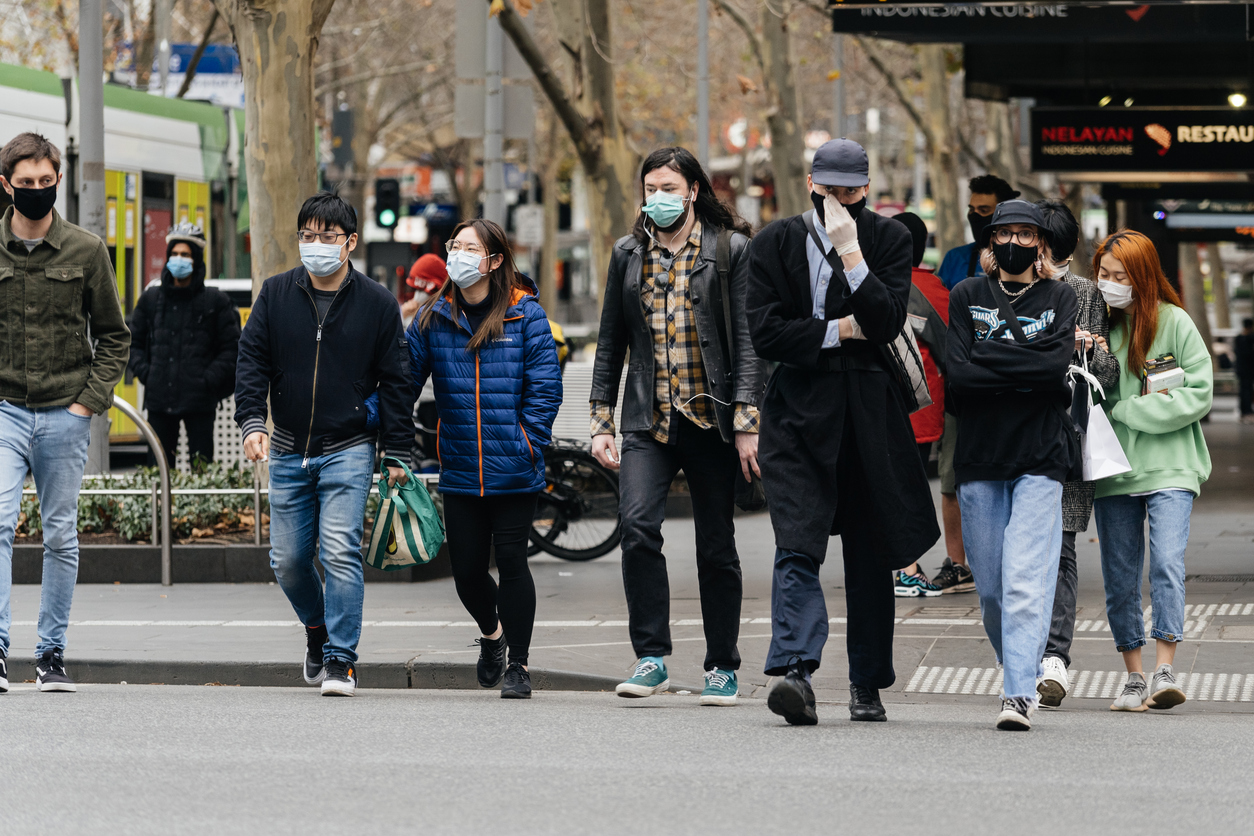
In 2025 the Commission released the landmark Collateral Damage: What the untold stories from the COVID-19 pandemic reveal about human rights in Australia. The report examined the human impact of Australia’s pandemic response.
Read the story below.
During national emergencies it is essential that governments not only protect public health and safety, but that they also protect the human rights of all Australians.
In 2025, the Australian Human Rights Commission released Collateral Damage: What the untold stories from the COVID-19 pandemic reveal about human rights in Australia, a landmark report examining the human impact of Australia’s pandemic response.
Drawing on thousands of personal stories, survey data and national consultations, the report found that while public health measures helped limit the spread of COVID-19, human rights were not always considered or protected. Restrictions such as border closures, lockdowns and quarantine had profound and often lasting effects on people’s lives, particularly for those already facing disadvantage.
The report shows that these impacts were uneven. Many people experienced isolation, financial stress and barriers to healthcare, while others were separated from family or unable to participate in key life moments. In some cases, policies were inflexible, inconsistently applied or poorly communicated, leaving people feeling excluded from decision-making and support systems.
A central contribution of Collateral Damage is its focus on lessons for the future. It sets out guiding principles for emergency responses, including the need to embed human rights from the outset, ensure decisions are proportionate, and recognise that different groups are affected in different ways.
The report marks a significant shift in understanding national crises - not only in terms of public health outcomes, but in how they shape people’s rights. It provides a foundation for a new approach to emergencies in Australia, one that places human rights at the centre of decision-making and seeks to ensure that no one is left behind.
Championing freedom of religion and belief for all Australians
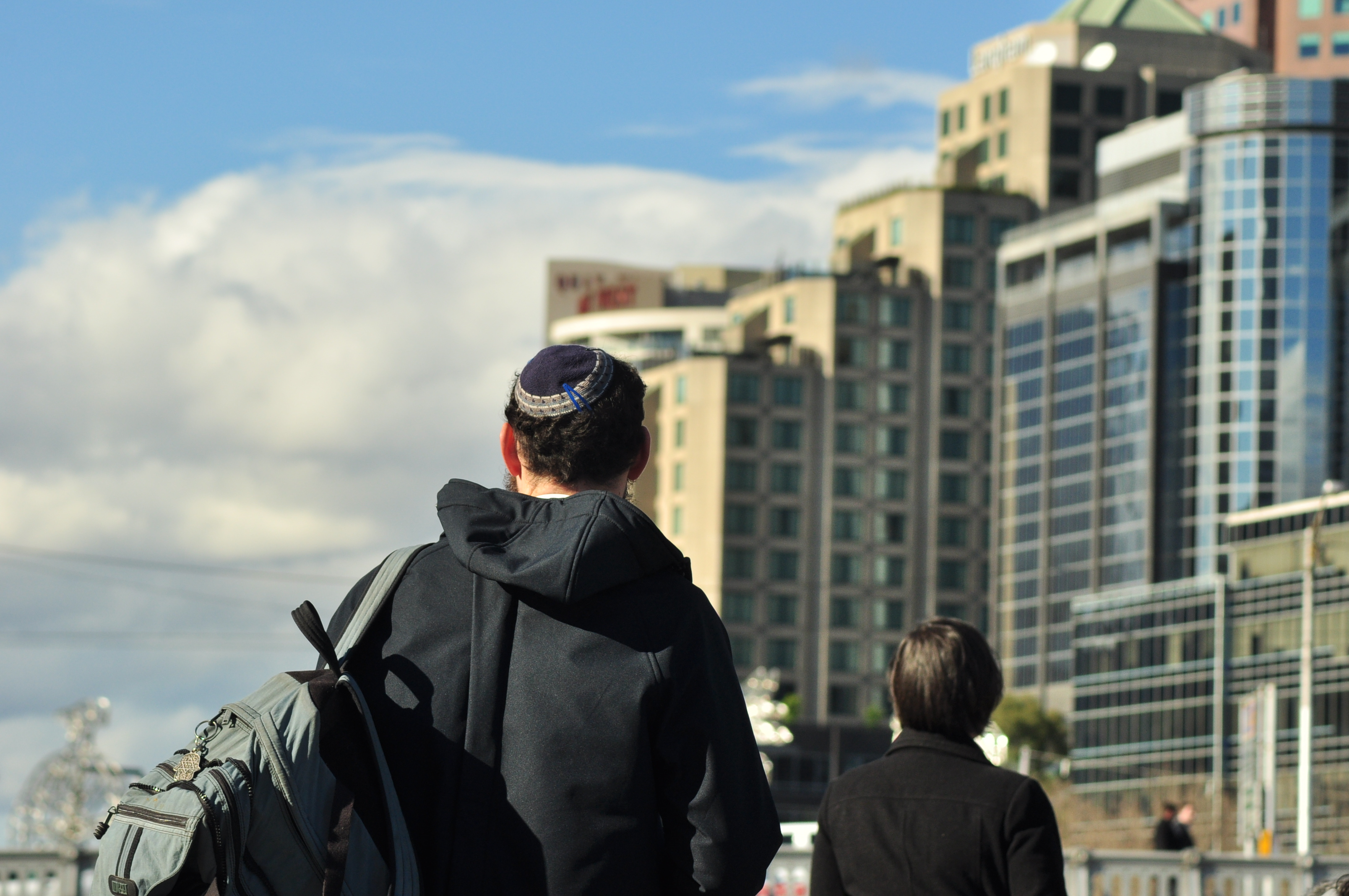
In 1998, the Australian Human Rights Commission released Article 18: Freedom of Religion and Belief, a landmark inquiry into how well Australia protects religious freedom. Drawing on extensive community input, the report found that discrimination and legal gaps were limiting people’s ability to practise their beliefs.
Read the story below.
All Australians must be able to practice their faith and religion safely and free from discrimination.
In 1998, the Australian Human Rights Commission released Article 18: Freedom of Religion and Belief, a landmark inquiry into how well Australia protects religious freedom.
Drawing on extensive community input, the report found that discrimination and legal gaps were limiting people’s ability to practise their beliefs. It emphasised that freedom of religion applies equally to all (covering religious, non-religious and minority belief systems) and is grounded in international human rights law.
A central recommendation was the introduction of a national Religious Freedom Act to make discrimination and vilification unlawful while balancing competing rights. The report also highlighted gaps in protecting minority faiths and Indigenous spiritual practices, as well as the need for greater cultural sensitivity in areas such as burial and medical decision-making.
The Article 18 inquiry shaped national debate and established a framework for balancing religious freedom with equality and inclusion in Australia.
Placing human rights at the centre of climate action
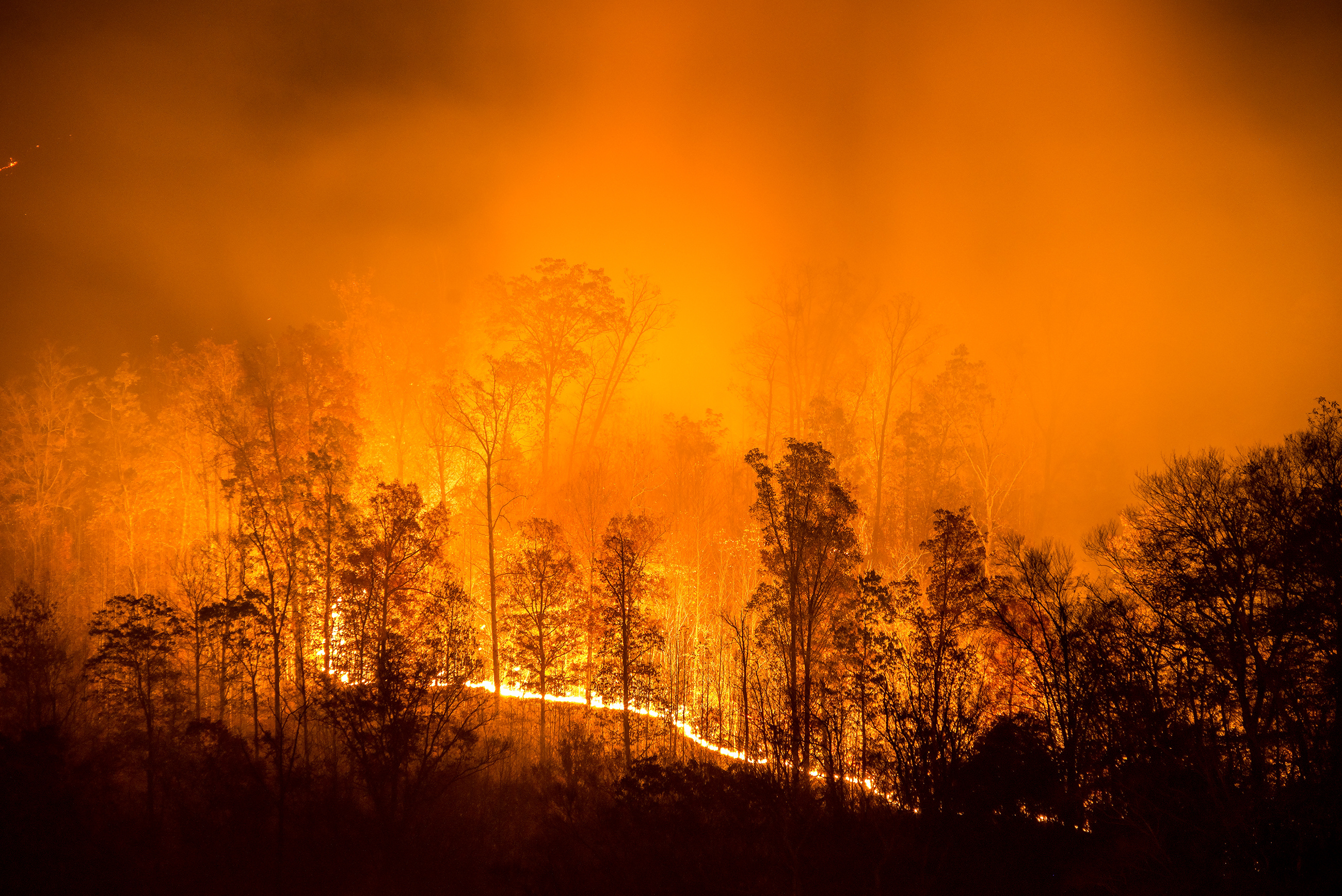
In 2025, the Australian Human Rights Commission released Human Rights on a Warming Earth, a landmark report that places climate change firmly within a human rights framework. It highlights that climate change is not only an environmental challenge, but one that directly affects civil and political rights.
Read the story below.
Putting people at the centre of climate change and climate emergency policy responses can ensure Australians are protected from climate-related harm.
In 2025, the Australian Human Rights Commission released Human Rights on a Warming Earth, a landmark report that places climate change firmly within a human rights framework. It highlights that climate change is not only an environmental challenge, but one that directly affects civil and political rights.
The report makes clear governments’ and businesses’ legal obligations. Drawing on international law and recent global decisions, it sets out that states must take urgent action to prevent climate-related harm, including phasing out fossil fuels. The report also emphasises the importance of protecting civic space, noting growing restrictions on protest and increasing pressure on environmental human rights defenders.
Through this work, the Commission has helped reframe climate change as a core human rights issue. By linking environmental harm to rights protections, it provides a foundation for legal reform and public debate.
This site uses cookies to analyse traffic, remember your preferences, and optimise your experience. We use some essential cookies to make this service work. We’d also like to use analytics cookies so we can understand how you use the service and make improvements. For more information see our Privacy Policy.
Need help?
Have a question about discrimination or sexual harassment? Want to know more about human rights? Contact us if you need help.