Seen & Heard project
Discover how the Seen & Heard project promotes community safety and dialogue across Arab, Jewish, Muslim, Palestinian and Israeli communities in Australia.
Summary
The Department of Home Affairs commissioned the project to support Australian Communities experiencing increased racism and discrimination as a result of the war in Gaza, with reports of antisemitism, Islamophobia and other types of hate-driven behaviours across Australian communities since October 2023.
Read the report The struggle in being seen, the power in being heard: Community insights from the Seen & Heard project.
See the Change the system.Change the story. campaign to address racism in Australian workplaces.
Report
The struggle to be seen, the power in being heard: Community insights from the Seen & Heard project was released by the Commission in March 2026. Read the full report.
Campaign
Following extensive consultations, the Commissioned developed a behaviour change campaign called Change the system. Change the story. The campaign seeks to increase awareness of racism in workplaces and inspire supervisors and workers to take action to address racism in their workplaces. Change the system. Change the story. is a deliverable of the Seen & Heard project and launched in July 2026. Take a look at the suite of campaign materials and resources.
Message from the Commissioner
Seen & Heard is an initiative that supports Arab, Jewish, Muslim, Israeli and Palestinian communities facing increased racism in the aftermath of 7 October 2023.
My team and I were privileged to spend several months in late 2024 and early 2025 meeting with and listening to the perspectives of leaders, academics, researchers and organisations working with affected communities in Australia. We also attended several events including conferences, lectures and screenings. These events gave us the opportunity to better connect with individuals, hear their stories and enrich our understanding of the hope, the frustration, pain, fear and sense of injustice they carry with them. We welcomed invitations to in-person or online events that communities were hosting around Australia.
While this project focuses on the experiences of affected communities in Australia, we do not disregard the long history of violence and conflict, nor the unhealed wounds that continue to deepen.
Among all groups, we heard instances of physical assault; of online abuse; severed friendships and lost opportunities; of deep-seated feelings of fear, isolation and being ‘othered'; of mental and emotional exhaustion. Community members have reported direct impacts of conflict, including loss of family and friends, displacement, missing loved ones, and widespread trauma. Compounding these experiences is the feeling that they are neither acknowledged nor validated by leaders and individuals in the broader community.
Many groups emphasised the systemic racism in government, the workplace, the media, law enforcement and other institutions. They expressed how this type of racism works to delegitimise advocacy and punish those involved in it, leading individuals to self-censor or hide their identities. Additionally, racism has a specific and often disproportionate impact on women, young people, people with disability and those living in regional areas of Australia.
We heard that the different forms racism and discrimination experienced by communities all have unique aspects. Anti-Palestinian racism, which affects Christian Palestinians as well as non-Palestinian supporters, is often conflated with Islamophobia and anti-Arab racism. We have also heard about the harms of racist Islamophobic stereotypes, especially those which endanger individuals who are visibly Muslim.
We were told that antisemitism is a specific form of racism, embedded in centuries of vilification and persecution. Some members of the Jewish community also pointed out that anti-Zionist sentiment often acts as code for antisemitism and contributes to dehumanising Jewish people.
Adding to this complexity is the diversity, distinction and overlap between communities: not all Muslims are Arabs, and vice versa; not all Palestinians are Muslim; not all Israelis are Jewish and not all Jewish people subscribe to the same political views.
We also investigated the prevalence of racism at Australian universities. That project explored how effectively universities deal with racism and recommended reforms to better address it.
We acknowledge the concerns expressed to us by some that the Commission has not adequately represented the interests of their community. We are grateful to you for engaging with us despite this. We hear your feedback. We want to make sure we speak up about the experiences of all communities living with increased racism, discrimination, and vilification and the actions needed to address it.
We try to end each conversation with the same question: 'What can we do to make things better?' The responses we have received show that there is plenty of hope left. We have heard stories of resilience, of strength, and most of all, of a determination to keep getting up in the morning to create a fairer world for ourselves, our children and our communities.
In a landscape riven with trauma and distrust, the use of words like ‘empathy' and ‘humanity' runs the risk of sounding simplistic and naive. Yet these are the words we keep hearing in our conversations. We all want to be seen and heard, we want our experiences to be validated, we want to live with dignity, agency and respect, and have an equal standing in the application of law.
We will continue to have conversations with individuals and organisations and speak with a wider cross-section of people in affected communities. The social media campaign for Seen & Heard will focus on amplifying the voices and experiences of affected communities, as well as generating greater empathy and awareness among the public.
Below is a summary of the insights shared with us so far. I welcome any suggestions, advice or feedback you may have. We will be in touch again with further updates.
Kind regards,
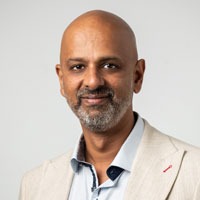
Giridharan Sivaraman
Race Discrimination Commissioner
Overview
Seen & Heard is a national project led by the Australian Human Rights Commission, funded by the Department of Home Affairs. The project was established in response to increased racism faced by specific communities in Australia following the events of October 7, 2023 and their aftermath. The project engages directly with communities to understand their experiences and concerns, and to learn from their proposed solutions.
The parameters of the Seen & Heard project were set by the Australian Government under the funding arrangements, and this has influenced the scope, focus and delivery of the project. It is important to note that Seen & Heard is neither a monitoring project tracking incidents of racism nor a quantitative study measuring the prevalence or frequency of racist incidents.
Instead, this is a qualitative project centred on listening, creating space for people to share their experiences, reflecting on what those experiences mean, and contributing to a broader understanding of how racism and discrimination are experienced in everyday life.
Insights gained from meetings with community leaders and consultation sessions with affected community members will inform a social media campaign. These insights will also be presented and made publicly available in a report to government stakeholders to support future policy and community support measures.
Participant in Seen & Heard community consultation: 'I came away with a gratitude to the AHRC that they were listening and that they did care. I encourage them to continue in this work and find as many ways as possible to reunite people and build trust. This may be the first step but it must not be the last.'
Background
The project began by consulting key Arab, Jewish, Muslim, and Palestinian community groups and leaders, as well as academics. These discussions helped establish a foundational understanding of community concerns and experiences following the events of 7 October 2023.
The project expanded to include structured conversations with community members across Australia. These consultations were organised in partnership with local community organisations and involved individuals from Palestinian, Muslim, Arab, Jewish and Israeli communities living in Australia. Local community organisations – supported by trauma informed and culturally responsive counsellors and mental health practitioners - nominated community members to lead and facilitate these consultations, holding them in spaces where community members felt safe.
These sessions provided a space for individuals to share personal stories and reflect on their experiences of racism and discrimination. Many participants said this was the first time they had engaged in such conversations and appreciated the opportunity to connect with others facing similar challenges.
This two-stage approach was designed to reflect the diversity and complexity of experiences across affected communities, ensures that the insights gathered are grounded in lived experience and can meaningfully inform both public messaging and potential ways forward in policy. Please note, this is not a monitoring project. If you would like to get incidence or reporting data, or seek support services, you can find information on the website.
Participant in Seen & Heard community consultation: 'I heard others feel the same as me about this, it was validating. I am glad I could share, unencumbered and free, that was very liberating.'
What we heard
We heard that communities in Australia are experiencing a surge in antisemitism, anti-Arab racism, anti-Palestinian racism, Islamophobia and sentiment against people in Australia of Israeli background. Acknowledging these forms of harm does not equate them, nor does recognising one diminish the significance of another. Each experience is distinct and personal to those affected. More people and communities are being impacted by this than before.
Thematic analysis of the consultations revealed key patterns in how racism and discrimination are experienced across communities and within institutions. While each community’s experience is unique, common themes emerged:
Dehumanisation
Community members described being reduced to harmful stereotypes, leading to fear, isolation, and emotional distress. Media portrayals and public discourse, including the public statements of Australian politicians, were identified as major contributors.
Structural and institutional racism
Many reported having limited trust in government, law enforcement, healthcare, and education systems. Racism was often viewed by participants as embedded in institutional practices and public narratives.
Homogenisation of identity
Communities expressed frustration at being treated as monolithic groups, with the erasure of individual and cultural diversity. They also identified this homogenisation as contributing to simplistic and harmful binaries.
Silencing
People shared concerns about being monitored or censored, especially in academic and professional settings. Fear of reprisal led some to hide their identities or avoid speaking out.
Emotional and psychological harm
Racism has notable mental health impacts, including anxiety, stress, and re-traumatisation. Historical trauma continues to influence current experiences. Participants described significant mental health impacts experienced by individuals and more broadly across communities.
Intersectionality and visibility
Encounters with racism are intensified by other aspects of identity, such as gender, religion, and visibility. People described how the intersecting aspects of their identity often compounded the harm of their experiences.
Participant in Seen & Heard community consultation: “This was an emotionally difficult experience but at the same time completely empowering and enriching. Thanks for the opportunity.”
Ways forward
The findings from project consultations point to several community-identified areas for action:
Validation and dialogue: Creating safe spaces for communities to share experiences and build solidarity.
Racial literacy: Building racial literacy across institutions and the broader public to deepen understanding of how racism operates – historically, structurally and interpersonally. This includes equipping people with the language, tools and confidence to recognise, talk about, and challenge racism in all its forms.
Education: Developing targeted, human rights-based resources to address under-recognised forms of racism.
Policy and media reform: Strengthening anti-racism policies in government and the private sector and holding media accountable for harmful portrayals.
Human rights approach: Ensuring inclusive policymaking and culturally safe service delivery.
Trauma-informed practice: Supporting mental health and community wellbeing in anti-racism efforts.
Intersectional strategies: Addressing the layered realities of discrimination across identities.
Seen & Heard and the Commission’s anti-racism work
Seen & Heard is part of the Commission’s ongoing commitment to addressing racism by acknowledging the real harm experienced by communities, while also working toward healing, justice, and connection. It builds on the Commission’s anti-racism campaign and complements the Racism@Uni study.
The project also aligns with the aims of the National Anti-Racism Framework , which advocates a whole-of-society approach to eradicating racism through structural and institutional reform.
Insights or feedback
Do you have suggestions, insights or feedback about Seen & Heard? Email us at seenandheard@humanrights.gov.au
Report and support
If you experience or witness any racist behaviour, get more information on the steps you can take to protect yourself or others and seek support